Rice is a food staple for billions of people around the world. Basmati rice are long slender grains that emit a distinctive aroma and flavour, while Non-Basmati rice grains are shorter and wider with a milder taste and aroma. Pearl Imperial General Trading LLC, a leading rice supplier has played a pivotal role in the procurement of various premium-quality Basmati Rice and Non-Basmati brands and has established a significant market presence in the Middle East region.
Our suppliers hold several international certifications which is a mark of high-quality standards and state-of-the-art infrastructure. Furthermore, they are equipped with an in-house food sample testing and research centre that assures you the highest level of accuracy and reliability in their results.
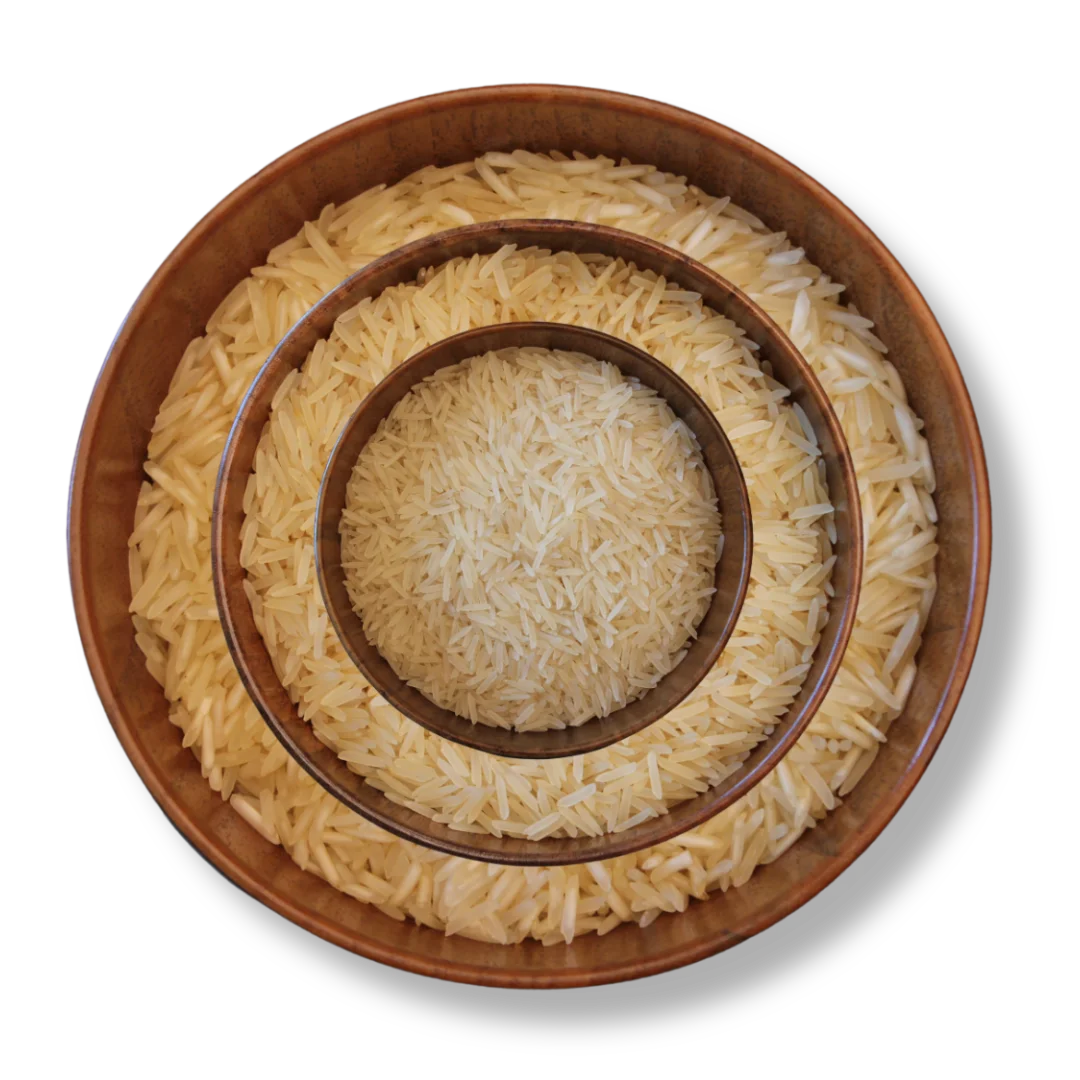
Basmati, also known as the King of Rice, is a slender long-grain variety of rice known for its distinct aroma and tasty flavour. It is also one of the most sought after, in-demand, flavourful and costliest variety of rice. It mainly grown in the Indian subcontinent, Pakistan, Nepal and Sri Lanka. Basmati rice is available in various varieties to satisfy different preferences and requirements. From the classic, longer-grain light coloured Basmati to the more nutritious brown rice, there's a choice that can satisfy everyone's taste. We are positioned to supply Raw, Steamed and Sella for the following varieties: 1121, 1401, 1509, 1718, and Super Kernel Basmati rice.
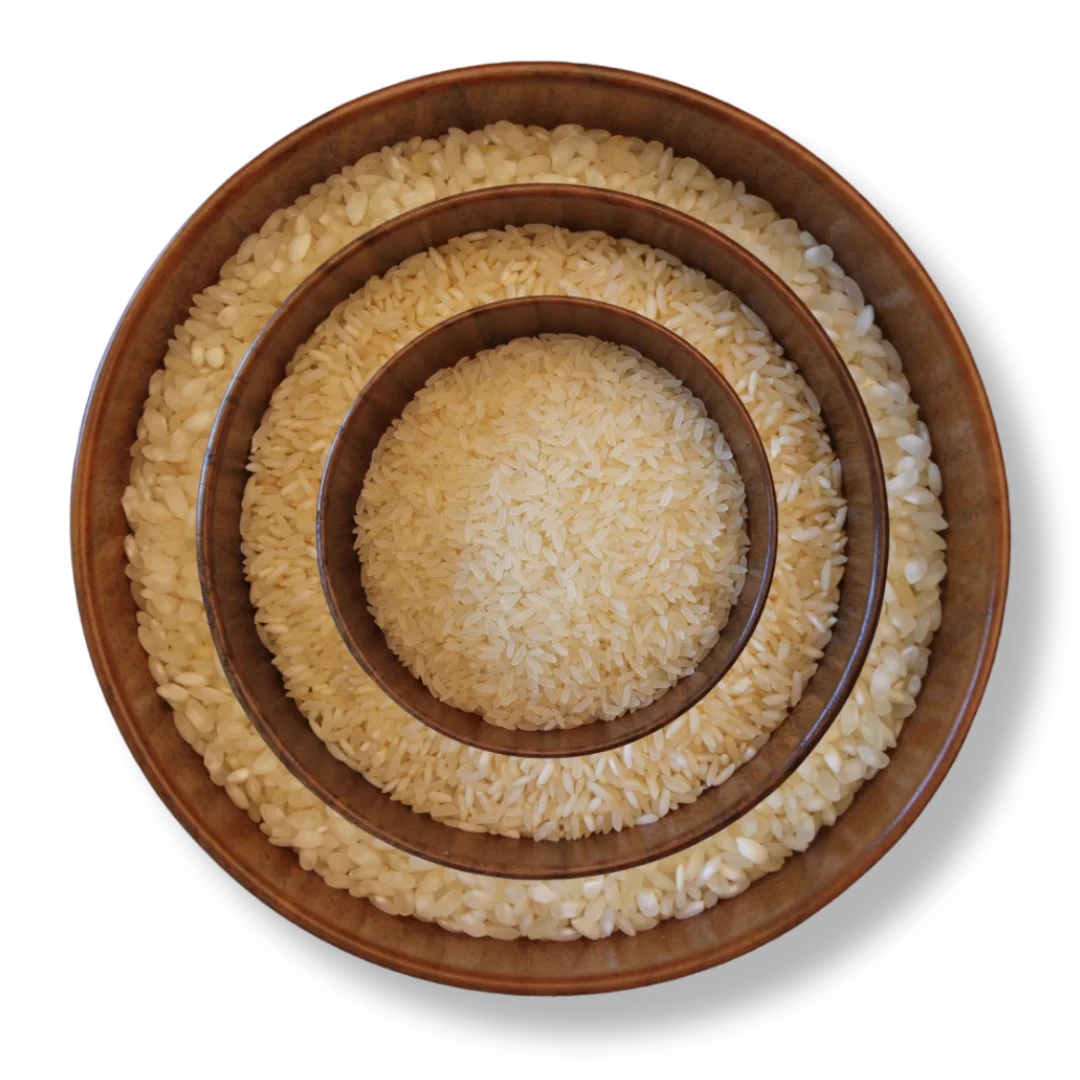
Any rice other than Basmati Rice is named as Non- Basmati rice. In the world, it has been reported that there are 10000 varieties of rice.Non-basmati rice includes a diverse range of rice varieties, such as long-grain, medium-grain, and short-grain rice. Variants include Jasmine rice, Parboiled rice, Jeera Rice, Sona Masuri, Sharbati, Idly Rice, and many others. Unlike basmati rice, non-basmati rice grains vary in size, shape, and texture. Some varieties are sticky when cooked, while others remain separate and fluffy.
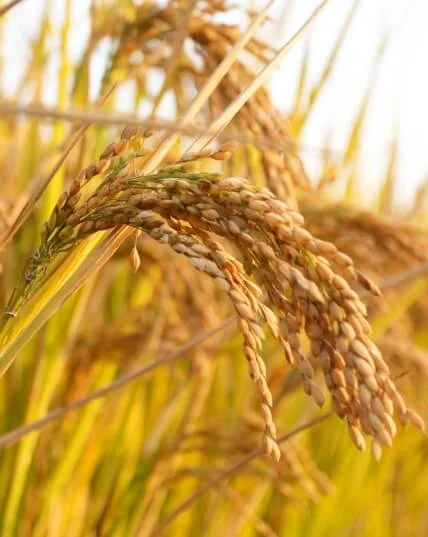
Rice crops are grown in hot and humid climate regions that witness prolonged sunshine and rainfall. The seeds are typically grown in paddy fields submerged with several inches deep water. After the grains ripen in the water-soaked beds, water is drained from the fields. On average harvest is a 120-day long process after planting. When the rice plant begins to show signs of maturation — grains appear yellow in long panicles and the plant starts to droop — harvesting begins.
Sophisticated machines are used to cut and separate the grains from the stalks, dehull and winnow the grains which is then moved to the milling plants where the rice is whitened and polished for export.
We source the highest quality Basmati rice from our suppliers based in Haryana and Punjab in India, as well as from Pakistan. While we source the best quality Non-Basmati rice by collaborating with suppliers from South India, Thailand and Vietnam.