17th Apr 2024
Pulses have been an important part of diets around the world for centuries. Be it in your salads, soups or curries, pulses are versatile ingredients that add not just protein but also flavour, texture and colour to almost any dish. It is an affordable and accessible food source in every household.
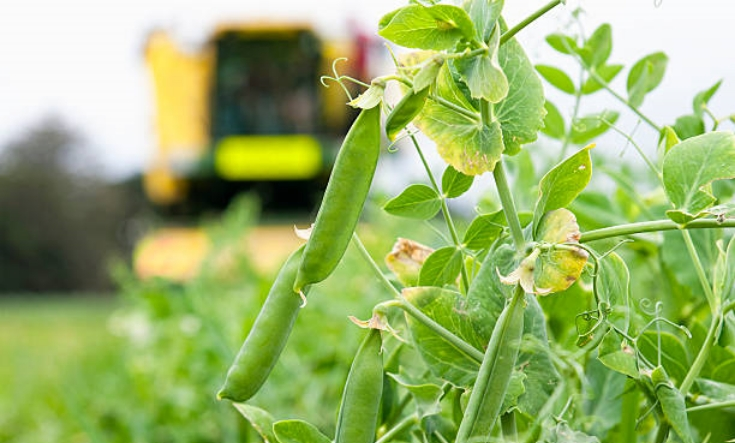
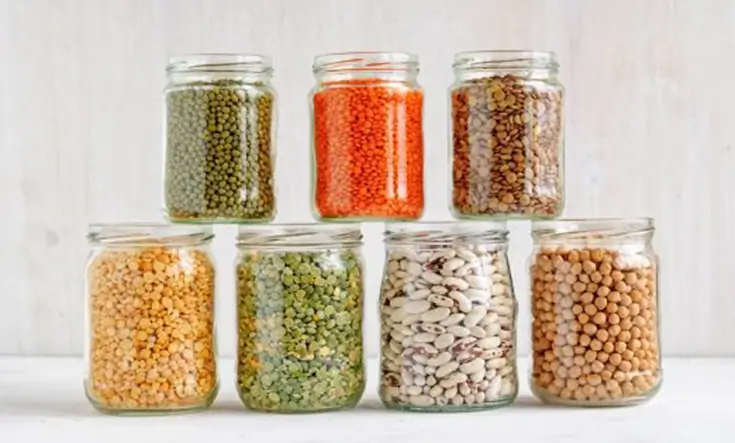
Pulses as you may know are the edible dried seeds of plants in the legume family, such as peas, beans, chickpeas and lentils. Our flagship company Pearl Imperial General Trading LLC, founded by my father, has been trading in agro-commodities for over 3 decades and is active in the Global Pulse Federation of which I am the Executive Vice-President.
So, on account of World Food Day, 16th October 2023, I would like to highlight the benefits of a pulse-rich diet.
Nutrient-rich food
Packed with nutrients and minerals, pulses are a smart food choice. They are high in protein compared to plant-based foods such as rice, corn or wheat. Rich in folate, potassium, iron, zinc, and dietary fibre their consumption is known to reduce risks of cancer, diabetes, heart ailments and other cardiovascular diseases. Pulses are also low in fat and sodium and being Gluten free they are an ideal option for coeliacs.
Aid in weight management
Eating a variety of pulses provides you with high-quality protein and fibre which is essential for weight management. As the carbohydrates in pulses take longer to break down, they leave you feeling full longer and provide long-lasting energy. Daily pulse consumption also increases good gut bacteria and boosts health.
Water-efficient crop
Pulses are a water-efficient source of protein which uses only 1/2 to I/10 of the water that it takes to produce other sources of protein. Having a small water footprint, they better tolerate drought and climate emergencies compared to other food crops. Diverse types of pulses can be easily grown in varied regions, whether hot or cold, wet or dry climates. As the crop adapts well to climate changes, they create less burden for farmers.
Good for the soil
Just as pulses are good for humans, they are good for the land. Pulses improve soil fertility through atmospheric nitrogen fixation and contribute to reducing the effects of climate shocks such as droughts or strong rainfall. Their cultivation also produces different compounds that feed microorganisms in the ground. This process thus improves soil health and benefits other crops that grow in rotation with pulses.
Good for the planet
By 2050 farmers need to feed 10 billion people while leaving the smallest footprint ever. Greenhouse gas emissions from agriculture come, largely, from nitrogen fertilizers.
Pulses require little or no nitrogen fertilizer because they react with soil bacteria to convert nitrogen in the air into fertilizer for growth. Thus, having a low carbon footprint, farmers can grow nutrient-rich food while reducing environmental impact. Another plus point is that pulses can be stored for a long time due to their long shelf-life, thus reducing food loss and waste.
For pulses to play a key role in sustainability, the global community must raise their consumption of pulses. To know how to increase consumption check out this article. I hope that pulses will be a major topic of discussion during the COP28 Conference in Dubai next month.
Atheeqe Ansari, Executive Vice President of the Global Pulse Confederation (GPC) and Director of Pearl Imperial General Trading LLC